
Andrew Hayslip • November 17, 2026


Short answer: yes, and early is smart. A new car is not a finished surface. This guide covers what new paint carries when it arrives, why correction comes before coating, when to book, and which package fits how long you plan to keep the car.

Why New Cars Arrive With Swirls and Residue

New does not mean clean. Between the factory and your driveway, a car can pass through rail yards, shipping lots, dealer lots, and pre-delivery checks. Each stop can leave a trace.

Here is what new paint can carry:

• Iron fallout and rail dust bonded to the surface

• Adhesive residue from transport film and stickers

• Light swirls and marring from handling and prep

• Wash marks from lot cleaning

• Fallout from time in outdoor storage

Dark colors and direct sun show it fastest. Iron remover products are made to react with iron particles on paint. Many change color as they work, and the product’s data sheet explains what the color means.

Why Correction Comes Before Coating

A ceramic coating is a thin, hard layer that bonds to the paint. It locks in whatever sits underneath. Good gloss under the coating stays good gloss. A swirl under the coating stays a swirl.

Prep follows the coating manufacturer’s application instructions. The sequence runs wash, decontamination, clay, polish, and a final panel wipe. Skipping a step leaves contamination or marks under the coating.

At CCT Auto Protection Studio, every coating starts with paint prep and paint correction matched to your paint. The amount of polishing depends on what the paint shows under the lights. Clean paint needs less. Marked paint needs more.

How Soon Should You Book After Delivery?

Soon. Check your vehicle manufacturer’s guidance for new paint and the coating manufacturer’s application instructions for any wait before coating. Then book while the paint is new. The first weeks of ownership are when bird droppings, sap, and bugs land on bare paint for the first time.

Three tips for delivery day:

• Ask the dealer to skip the wash before pickup. A lot wash can add fresh swirls.

• Ask the dealer what any add-on coating includes before you agree to it. Coating works best when it follows paint correction.

• Walk the car in daylight at pickup and photograph each panel. Note any marks on your delivery paperwork.

Why the First Months of Texas Sun Matter

Austin summers run long, and paint sits in direct sun and heat for months. Add oak sap in Westlake and Lakeway, Hill Country dust, and highway bugs, and a new finish gets tested early.

A coating gives the paint a slick surface, and the coating manufacturer’s data sheet lists its UV and chemical resistance. Bugs, sap, and droppings rinse off more easily. Rinse them soon, and your finish keeps its look. Coat the car in the first weeks, and the hottest months happen under protection.

What a Ceramic Coating Does and Does Not Do

Per the coating manufacturer’s product information, a coating can:

• Make washing easier

• Bead water

• Add gloss and depth

• Resist UV, bird droppings, and road chemicals

Dark cars benefit, since every touch shows on black paint.

It does not stop rock chips, deep scratches, or dents. For chips, add paint protection film from SunTek and STEK on the front end and other high impact panels. A coating over the film adds easy cleaning. Our post, PPF or Ceramic Coating: Which Does Your Car Need?, covers the pairing.

DIY or Professional?

Home coating kits and sprays can add gloss and water beading. The result still depends on the prep under them. Paint correction takes a machine polisher, strong lighting and time, and a coating applied over swirls seals those swirls in.

A professional install covers the correction, the application and the cure as one process, following the coating manufacturer’s instructions. For a new car you plan to keep, that prep shapes how the finish looks for years.

Quick Decision Guide

Keeping the car long term: pick the 10 year package.

Keeping the car about five years: pick the 5 year package.

Worried about chips: add film on the front end.

Still at the dealer: ask for no wash, and ask what any add-on coating includes.

Set Realistic Expectations

A coating is not set and forget. Follow the coating manufacturer’s care instructions. Simple habits usually include:

• Wash by hand with pH neutral soap.

• Use clean microfiber and the two bucket method.

• Skip brush car washes.

• Rinse bird droppings and sap soon.

• Use a topper only if the coating manufacturer recommends one.

How to Pick an Installer

Skill and process shape results. Ask these questions before you book:

• How do you prepare and correct new paint?

• How long will the car stay in the bay?

• What does each package include?

• How should I wash the car after coating?

Clear, specific answers make installers easier to compare.

About CCT Auto Protection Studio

We are a small Austin team that works like family. Detailing, paint correction, ceramic coating, and paint protection film from SunTek and STEK all happen in our studio on Ranch Road 620.

Give your new car a clean start. Book early, correct the paint, then coat it, so the car goes into its first Texas summer protected.

Call us at 512-501-4401 or request a quote on our site. We will look at your paint, explain the package that fits your timeline, and answer your questions in plain words.
By Leadgentic SEO Team • November 5, 2026
PPF is a strong product. It is also not magic. Owners share both wins and frustrations. This guide lays out the real downsides, how to avoid most of them, and when film still makes sense on a car you drive every day. Paint protection film is a personal investment, not a financial one. It protects paint and gives peace of mind. It does not raise resale value. Most trouble traces back to three things: install quality, film thickness, and expectations. Fix those, and the downsides shrink. Install Quality Varies This is the most common complaint. Owners report lifted edges, bubbles, trapped dust, jagged cuts, stretch marks, and visible seams. Some saw these right after pickup, even from highly rated shops. Complex areas are the hardest. Fender flares, tight curves, and sensor zones demand skill. Edges can lift further with pressure washing and collect grime. How to avoid it: Inspect the car in good light before you leave. Check edges, seams, and corners. Ask about the shop’s experience with your model. A skilled installer makes this downside rare. Film Does Not Stop Every Impact Rocks can still get through at highway speed, especially on gravel or construction-heavy roads. One Porsche owner with film on the front half said the hood looked as marked as bare paint after a year. Thin films of 4 to 6 mil draw the most criticism. Film does the most good against everyday chips and scratches. It reduces damage. It does not make paint bulletproof. How to avoid it: Ask for thickness details before you book. Pick a quality thermoplastic urethane film. Set expectations: film absorbs most hits, but a big impact can still leave a mark. Our post on how paint protection film has come a long way shows how much newer films have improved. Film Ages Over Time Even good film can yellow, dull, or lose gloss within a few years. Light colors show yellowing more. Edges can gather dirt lines. Self-healing handles light swirls but not deeper damage or bug etching. Some Rennlist and Supra Forums owners say film can leave the paint looking less vibrant than bare clear coat. Older and cheaper films fail first. Premium films from brands like XPEL, 3M, and STEK, at proper thickness, hold up best. How to avoid it: Choose a premium film. Add a ceramic coating on top. Wash with care. Ask what warranty covers yellowing, and read the terms. Removal Takes Planning After 5 to 7 years or more, film comes off. Removal can cost hundreds per panel and take days. On thin factory paint, such as many Teslas and Mazdas, adhesive can pull paint. Areas with deep chips and aftermarket clear coat carry more risk. Waiting too long adds to the effort. How to avoid it: Plan for replacement at 5 to 10 years. Do not wait until the film cracks or fuses. A professional removal at the right time is smooth and clean. Cost and Resale Full-front or full-body jobs often run $2,000 to $9,000 or more. Owners rarely see a resale premium. Dealers usually ignore film when they appraise a car. These are owner-reported ranges. Your quote depends on your model, coverage, and film. Bugs can also stick harder to porous film. Dirt, salt, and pollen cling more without a topcoat. Some owners dislike the feel until ceramic goes over it. How to manage it: Pick partial coverage. Add ceramic on top for easy cleaning. Think of film as paying for a newer-looking car during your ownership. Partial Coverage Leaves a Line When only the front is covered, the film edge can become visible later. The covered paint stays fresh while the rest ages. A skilled installer wraps edges to hide them, and a ceramic coating across the whole car helps the finish look even. When PPF Is Still Worth It on a Daily Driver Owners who still call film worth it share common traits: High mileage. They log 20,000 to 40,000 miles a year on freeways. Many Tesla, Type R, Corvette, and Porsche owners say they never regretted the front film. Rough roads. They live where gravel, sand, salt, or construction debris is common. Austin highways like I-35 and MoPac fit that picture. Low cars. Cars that sit close to the ground pick up more debris. Long ownership. They keep the car 5 to 10 years or more. Paint pride. They hate rock chips, or their car has thin or special paint. Realistic expectations. They pair quality film with a great installer. Many of these owners say front and rocker coverage is the best compromise. Peace of mind is the payoff. Our post on the paint protection film myth explains why film is not only for luxury cars. When You Can Reasonably Skip It Some drivers do fine without film: City-only drivers with low mileage Short-term lease owners Owners who accept a few chips as normal wear For these drivers, ceramic coating, careful washing, and a touch-up pen cost less and stay simple. Some owners budget for a future repaint instead. That is a valid path. See our ceramic coating service for gloss and easy cleaning. Quick Decision Guide Highway commuter, long-term keeper: front film plus rockers, topped with ceramic coating. Mixed driving, medium budget: partial front coverage. City driver, short ownership: ceramic coating and good washing habits. Special paint or show car: consider fuller coverage with a top installer. Before You Book: Checklist Research the shop deeply. Look for real reviews, including critical ones, not only five-star praise. Then ask these questions: What film brand and thickness do you use? How do you handle edges, flares, and sensors? Can I inspect the car before I leave? What does the warranty cover, and for how long? What is the removal plan down the road? Clear answers show real experience. Our paint protection film packages come with a straight conversation about coverage, film, and care. Get Honest Advice on Your Daily Driver PPF is worth it for the right driver and the right install. For others, ceramic coating is the smarter spend. The best answer depends on your car, your roads, and your goals. Call us at 512-501-4401 or request a quote on our site. We will look at your car, explain the tradeoffs in plain words, and recommend coverage that fits. 
October 29, 2026
Short answer: Not every Tesla, but many benefits. Owners across Reddit and Tesla Motors Club keep pointing to one pain point. Rock chips. This guide covers why Teslas pick them up, who gains the most from film, and how to choose coverage that fits your driving. Why Teslas Collect Rock Chips A Tesla has a large, smooth, painted front end. There is no traditional grille. Owners often call it a rock magnet, and the name fits. Here is what drivers report: Chips appear within a few hundred to a few thousand miles, especially on freeways. Some Model Y owners spot chips at around 200 miles. After a couple of months of highway driving, some fronts look sandblasted. Rear door quarters and rocker panels take hits too. Front tires kick debris back onto the lower doors. Some owners count dozens of chips after 10,000 to 13,000 miles, even with mud flaps. Dark colors show marks fast. Black, blue, and Ultra Red stand out. White shows chips clearly too. Winter salt and gravel states speed things up, along with rocky highways in Arizona, Utah, and the Northeast. Austin drivers who cruise I-35, MoPac, and Highway 290 see the same kind of debris. What PPF Does for a Tesla Paint protection film is a clear polyurethane layer. It sits on top of your paint and takes the hit. Rocks, road grit, and light scratches strike the film first. Many films also self-heal light swirl marks with a little warmth. Quality films from brands like XPEL and STEK also hold their clarity for years. A good installer matters just as much as the brand. Cheap film or rushed work can yellow or lift at the edges. Film is the physical barrier. That is the job nothing else on this list performs. Where Ceramic Coating Fits Ceramic coating is a different tool. It adds gloss, water beading, and resistance to bugs, bird droppings, and chemical etching. Washing gets easier. It does almost nothing against rock impacts. Owners repeat this point often. Coating works best over film or on the areas film does not cover. Our Tesla ceramic coating service is built for that role. So, Does Your Tesla Need PPF? The honest answer depends on you. Owners agree the question is less about need and more about how much visible wear you will tolerate. PPF makes strong sense if you: Drive highway miles often. Plan to keep the car for 5 to 10 years or more. Care about a showroom look. Drive a dark color where chips stand out. Want peace of mind more than resale value. Owners with film after 30,000 to 70,000 miles often post photos of paint that still looks new. Many say they would do it again. Owners without film often voice regret once chips pile up. That regret runs strongest on highway-driven cars. Full Body or Front Only? Most owners land on the same answer. Protect the high-impact front first. A full front package usually covers: Front bumper Hood Fenders Mirrors Sometimes the rocker panels Owners report professional front packages at roughly $1,300 to $2,500. Full-body quotes of $4,000 to $8,000 or more draw mixed reactions. Many call them more than they need. These are owner-reported figures. Your quote depends on your model, coverage, and film. Our team gives an exact price after we see your car. Rocker panels and rear door quarters deserve a look. Debris from the front tires sandblasts them. Some markets include small factory film pieces there. Mud flaps help but do not fully solve the issue. Is PPF a Good Financial Move? Almost no one claims the film pays for itself at resale. Owners frame it as a personal choice. You are buying a car that looks newer for longer. Other options exist for tighter budgets: Touch-up pens, such as Dr. ColorChip or Tesla kits, handle minor chips. DIY kits from brands like Tesbros run about $200 to $800. Many owners call the result 95% as good for simple areas. Professional installs fit complex curves, edges, and sensors best. Film is a spend that buys protection and comfort. Decide which matters more to you. When to Install Timing helps. Install early on a new car, before chips appear. Damage can show through film once it exists. A fresh car gets the cleanest result. Austin sun also bakes paint year round. A film layer plus proper care keeps the front end looking sharp. Learn how modern film has improved in our post, paint protection film has come a long way . Wondering about cost fit? Our post on the paint protection film myth shows film is for more than luxury cars. How to Choose Your Coverage Use this quick guide: Highway commuter: full front, plus rockers if budget allows. City driver: consider ceramic coating alone, or a small front-end section. Long-term keeper: front film, then ceramic coating over the whole car. Dark-color owner: lean toward full front, since chips show most. Short lease: skip film and wash with care. Pick an installer with proven work and local reviews. Ask which films they use, how they finish edges, and what warranty comes with the film. Our Tesla paint protection film service covers every Tesla model, from front-end packages to full coverage. About CCT Auto Protection Studio We are an Austin team, and we work like family. Each person brings a specific skill to your car. Ross Laffoon is from Arkansas and has lived in Austin for about six years. He has spent 1.5 years with us. He handles detailing, paint correction, and ceramic coating. His most memorable car is an Acura NSX. Alan is from Venezuela. He has been here one year. He does ceramic coating, PPF, vinyl, and tint. He keeps working to sharpen his craft. Timothy Mullen is our Lead PPF Installer, with about 3.5 years here. A recent favorite was a 2025 Infiniti QX60 color change that went from blue to green to purple. Aaron Christmas is our Customer Experience Specialist and Social Media Manager. He grew up in San Antonio. Every customer question gets his attention. Protect Your Tesla the Smart Way PPF is not a must for every Tesla. For highway drivers and long-term owners, it is one of the best ways to keep the front end clean. Ceramic coating covers gloss and easy washing on top. Call us at 512-501-4401 or request a quote on our site. We will look at your Tesla, talk through your driving habits, and recommend coverage that fits your goals and budget.
October 16, 2026
Short answer: No. A ceramic coating does not stop swirl marks from automatic car washes. Brush and cloth washes can still mark a coated car. This guide explains why, what coating does well, and how to keep your finish glossy for years. Owners mostly agree on this point. Coating makes a car easier to clean and safer to hand wash. It does not turn paint into armor. Treat coating as a slick chemical layer. Treat film as the physical shield. Once you know the difference, your wash routine gets simple. What Ceramic Coating Actually Does A professional ceramic coating bonds to your clear coat. It forms a thin, hard, water-repelling layer. Here is what owners notice: Water beads and sheets off the paint. Dirt rinses away with less effort. Bird droppings, tree sap, bugs, and road chemicals have a harder time sticking. UV resistance helps protect the finish in strong Austin sun. Gloss looks deeper. The layer is only microns thick. Some owners compare it to a longer-lasting wax or sealant. That is a fair picture. It protects against chemicals and grime. It does not resist abrasion. Why Automatic Washes Still Cause Swirls Brushes, soft cloth strips, and spinning mitters touch every car that rolls through. They pick up grit and debris from the vehicle before yours. Then they drag that grit across your paint at speed. A thin coating cannot stop that. The coating itself can pick up marks. Dark colors show it first, especially in direct sunlight. One pass is enough to leave visible micro-marring. Even soft-looking materials trap grit. Owners say this about newer cloth systems too. Brush washes are the part of the wash cycle that causes the damage. What Owners Report The stories follow a clear pattern. Service visits. Owners tell dealers and shops to skip the wash. Some cars still return with fresh brush swirls. Cases include BMW, Rivian, and Acura. Fixing it usually takes paint correction and a new coating. Some owners ask the shop to cover the cost. Fresh coatings. A family member takes a newly coated car through a spinner wash. The owner finds swirls everywhere. One trip can do it. Expectations. Many people invest $1,000 to $2,000 or more, expecting scratch resistance. They see swirls after a convenience wash or imperfect drying. Knowing the limits up front prevents that surprise. Warranties and lifespan. Brush washes often void coating warranties. Frequent automatic washes with harsh chemicals can shorten coating life. Dealer add-ons. Owners often describe dealer “ceramic” packages as thin spray sealants. They can fade within weeks or months. A true professional coating starts with paint prep and proper curing. See how that works in our ceramic coating process . Touchless vs Brush Washes Sometimes a hand wash is not possible. In that case, owners prefer touchless systems. They avoid brush contact, so they are gentler on paint. Touchless still has a tradeoff. Many use strong high-pH soaps. Over time, those soaps can wear down water beading and any topper layer on your coating. A touchless wash is the better of two automatic options. A hand wash is better than both. Where Coating Does Help With Swirls Coating helps indirectly. The slick surface lets dirt slide off with lighter pressure. You scrub less. Less friction means fewer light marks during a careful hand wash. That benefit is real. It just has limits. It works with good technique, not against a brush. What Truly Protects Against Mechanical Damage Paint protection film is the physical barrier. Many films have a self-healing top layer. Minor swirls can fade with warmth from the sun. Film also takes the hit from rock chips and scratches. Film is not a free pass for brush washes. High-pressure jets can lift film edges. A ceramic layer on top of film can still pick up marks. The advice stays the same: avoid friction washes. Explore our paint protection film packages for coverage from front end to full body. Many owners combine film and coating. Film guards the high-impact zones. Coating adds gloss and easy cleaning across the car. How to Wash a Coated Car A good routine keeps the finish clean and the coating active: Use a pH-neutral soap. Try the two-bucket method. Some owners use three buckets. Use clean microfiber towels and mitts. Add a drying aid for a smoother finish. Use a blower to reduce towel contact. Apply a topper now and then to refresh water beading. Avoid brush washes completely. Rinseless washes and rushed drying can still leave marks. Take a little extra time on both. Fixing Swirls After They Appear Mild swirls sometimes respond to light polishing without a full strip. Deeper marks need paint correction. Correction removes the coating, so a recoat follows. Sacrificial toppers can hide very light defects for a while. Prevention is the least expensive path. A careful wash costs far less than correction. Quick Guide Want shine and easy cleaning: choose ceramic coating and hand wash it. Want protection from chips and scratches: add PPF to the front end or full body. Need an automatic option: pick touchless and wash less often. Leaving the car at a shop or dealer: state “no wash” in writing. Inspect the paint at pickup. Want the best long-term result: combine film, coating, and a good wash routine. Choosing a Professional Installer Installer skill shapes results. Good prep and curing matter as much as the product. Ask these questions before you book: How do you prepare and correct the paint? How long does the coating need to cure? What wash routine do you recommend? Which wash methods void the warranty? What maintenance products do you suggest? Clear answers show real experience. Our ceramic coating service includes aftercare guidance, so you know how to wash your car from day one. About CCT Auto Protection Studio We are an Austin team, and we work like family. Each person brings a specific skill to your car. Ross Laffoon is from Arkansas and has lived in Austin for about six years. He has spent 1.5 years with us. He handles detailing, paint correction, and ceramic coating. His most memorable car is an Acura NSX. Alan is from Venezuela. He has been here one year. He does ceramic coating, PPF, vinyl, and tint. He keeps working to sharpen his craft. Timothy Mullen is our Lead PPF Installer, with about 3.5 years here. A recent favorite was a 2025 Infiniti QX60 color change that went from blue to green to purple. Aaron Christmas is our Customer Experience Specialist and Social Media Manager. He grew up in San Antonio. Every customer question gets his attention. Protect Your Finish the Right Way Ceramic coating gives you gloss, easy cleaning, and chemical resistance. A smart wash routine keeps swirls away. PPF adds the physical protection that coating cannot. Call us at 512-501-4401 or request a quote on our site. We will look at your paint, explain your options in plain words, and recommend a plan that fits your car and your wash habits.
October 15, 2026
Austin roads are hard on paint. Gravel flies on the highway. Summer sun bakes the clear coat. Bird droppings and bugs stick fast in the heat. PPF and ceramic coating both help, but they solve different problems. This guide shows what each one does, what U.S. owners report, and how to choose.
By Leadgentic SEO Team • April 20, 2026
How Much Does Window Tinting Cost in Austin, Texas?
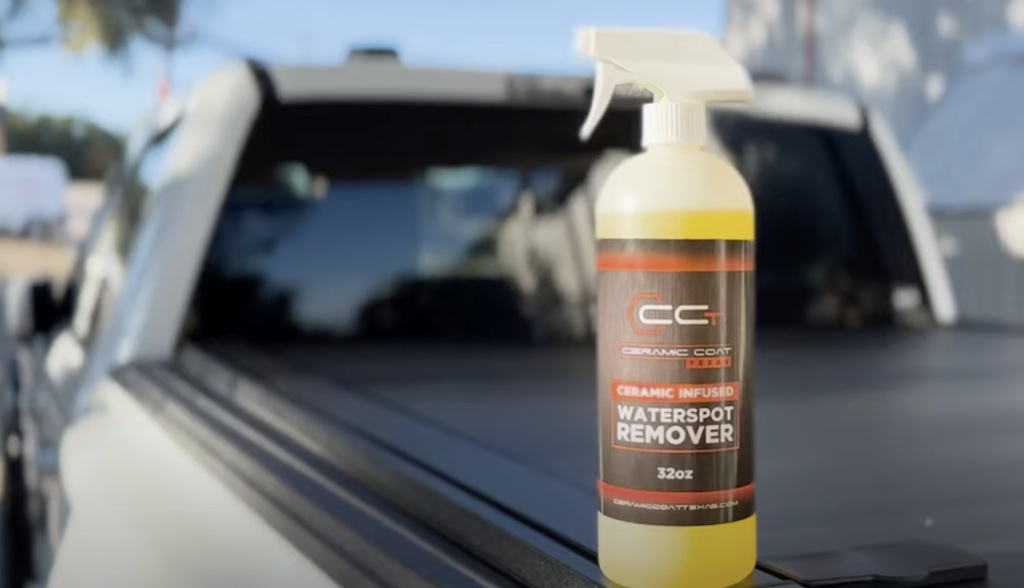
A bottle of waterspot remover is sitting on the back of a truck.
By ceramiccoattx • April 7, 2025
Say Goodbye to Water Spots with Our Ceramic Infused Water Spot Remover If you’re a boat or car owner, you know the struggle — those stubborn water spots that seem to appear out of nowhere, leaving your ride or vessel looking less than perfect. Whether it’s from the lake, ocean, or just regular rain, water […] The post CCT Ceramic Infused WaterSpot Remover appeared first on Ceramic Coat Texas.
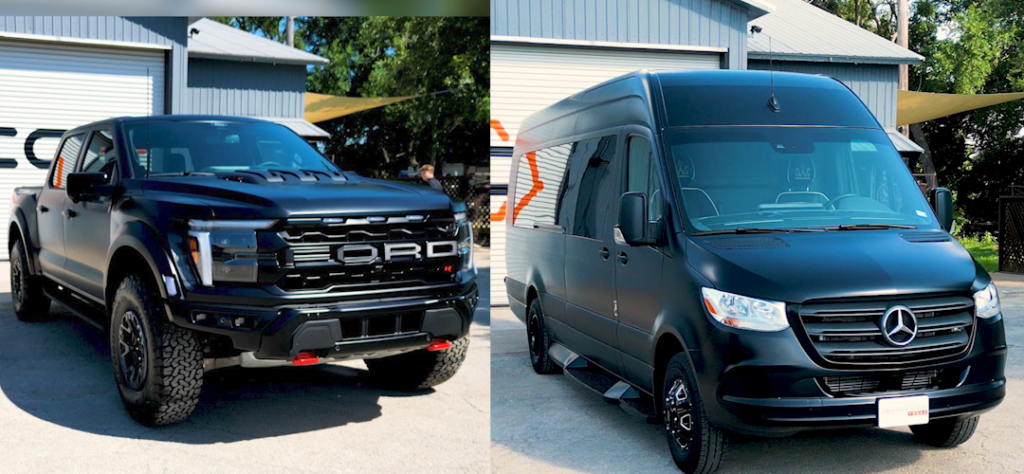
A black truck and a black van are parked next to each other.
By ceramiccoattx • June 30, 2024
A Game Changer in Vehicle Protection Not One, But Two Ultra Matte Paint Protection Film Projects Our shop recently undertook not one, but two remarkable projects with SunTek Ultra Matte Paint Protection Film. We transformed an already stunning black F-150 Raptor and a substantial Sprinter dually, gaining invaluable experience in installing this cutting-edge protective film. […] The post SunTek Ultra Matte Black Paint Protection Film appeared first on Ceramic Coat Texas.