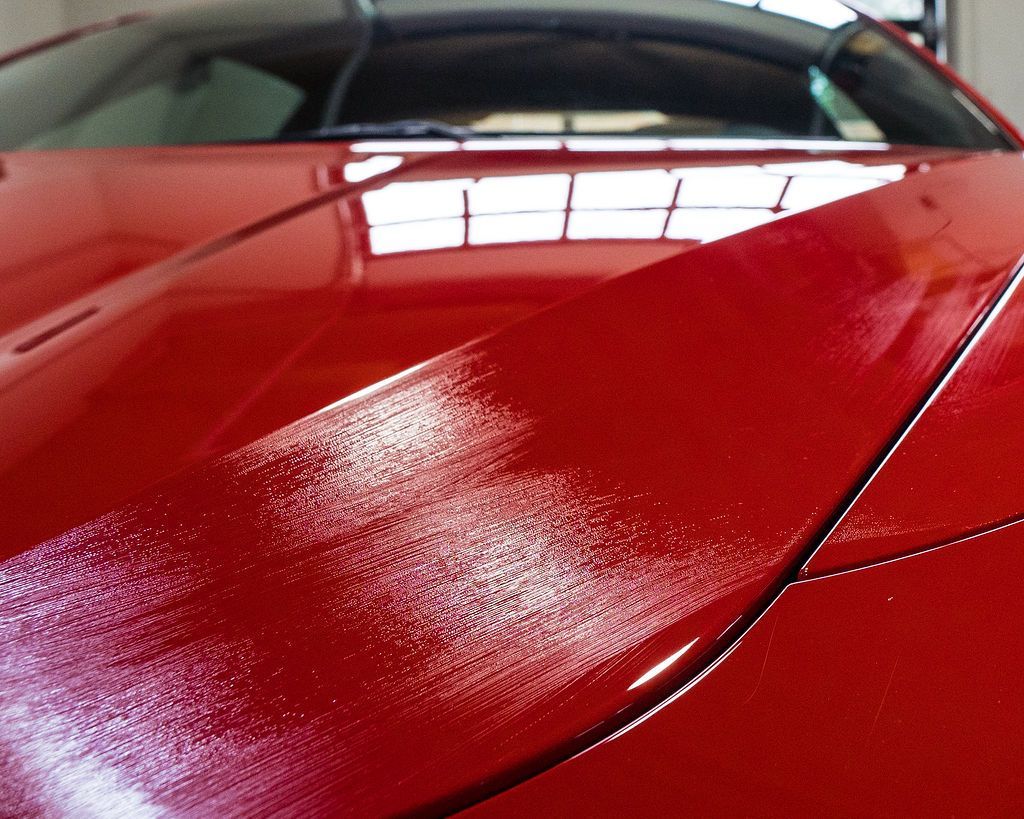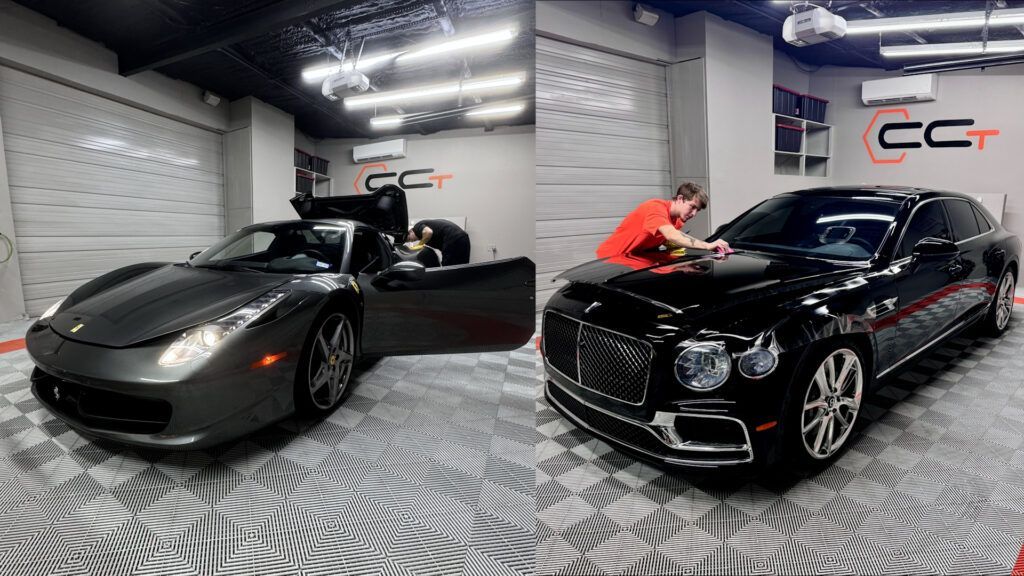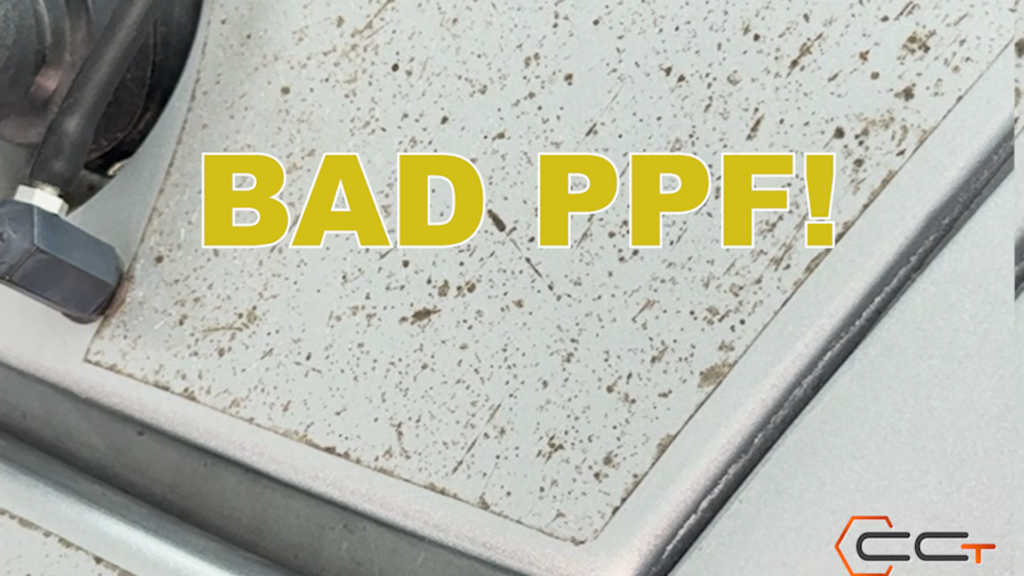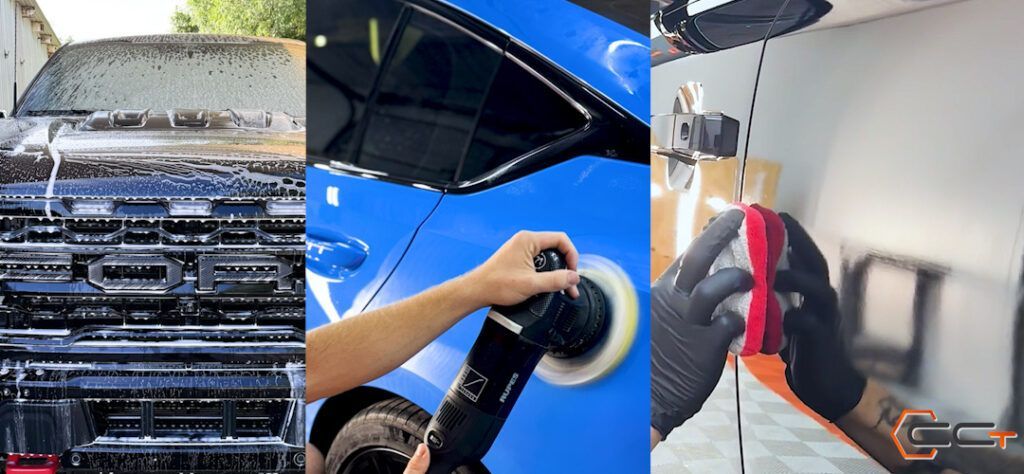
Austin roads are hard on paint. Gravel flies on the highway. Summer sun bakes the clear coat. Bird droppings and bugs stick fast in the heat. PPF and ceramic coating both help, but they solve different problems. This guide shows what each one does, what U.S. owners report, and how to choose.
PPF and Ceramic Coating - Two Different Jobs
Many people treat these two as rivals and we keep correcting that idea. They work best as partners.
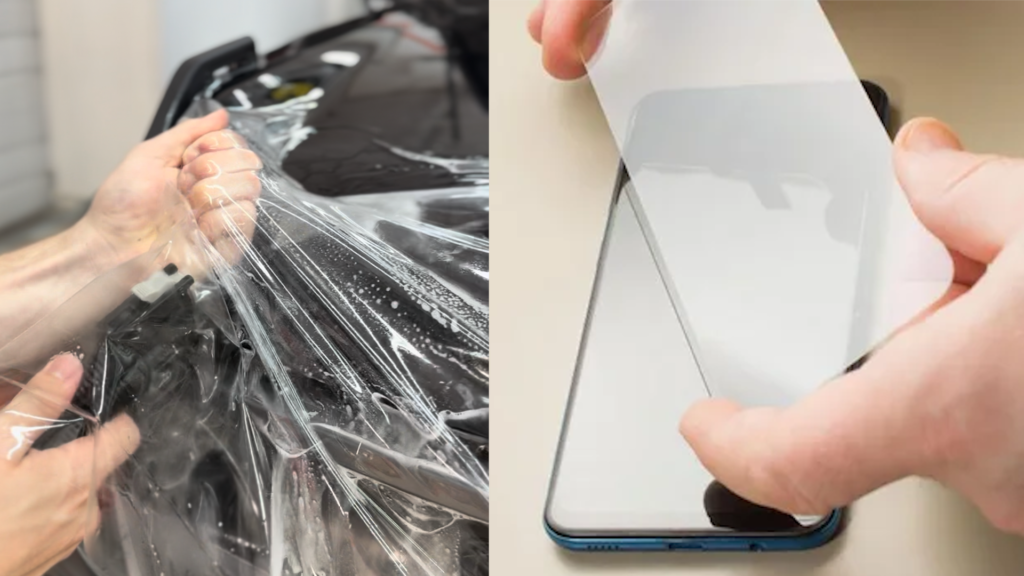
PPF is a clear polyurethane film. It acts as a sacrificial barrier. Rock chips, scratches, and road debris hit the film first. Many films also self-heal light swirl marks with a little heat.
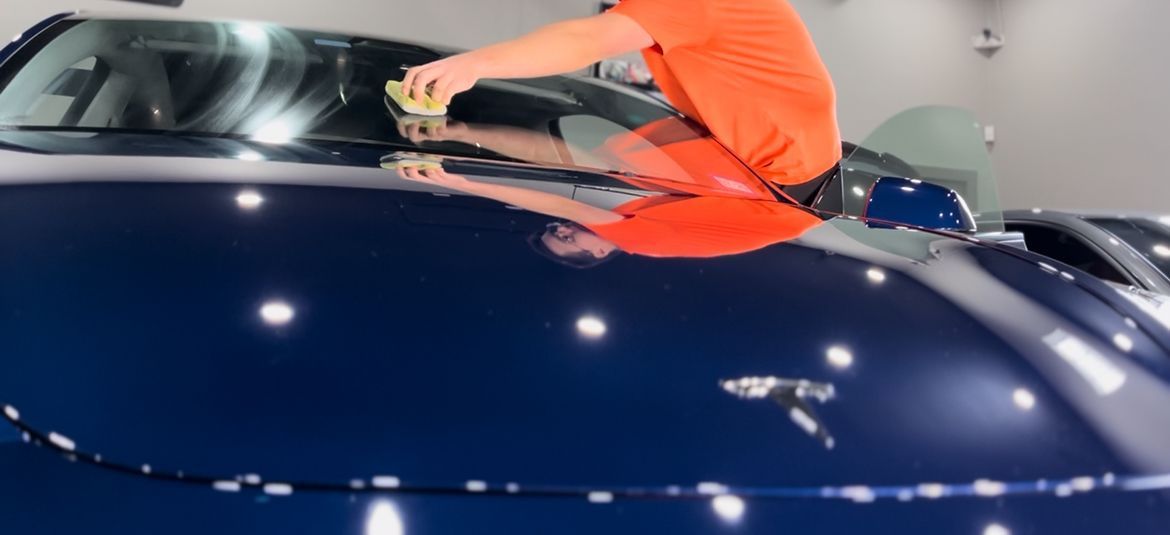
Ceramic coating is a thin liquid layer, usually SiO2-based. It adds gloss and strong water beading. It resists bird droppings, tree sap, bugs, and road chemicals. Washing gets easier. It does not stop a rock chip.
What Owners Report on Lifespan and Cost
Premium films from brands like XPEL, 3M, and SunTek often last 5 to 10 years. Many come with warranties that cover yellowing. Professional ceramic coating usually lasts 2 to 5 years on a daily driver. Longer claims depend on strict upkeep.
U.S. owners commonly report these price ranges:
- Front-end or partial PPF: about $1,000 to $3,500
- Full-car PPF: about $5,000 to $12,000+
- Professional ceramic coating: about $500 to $2,500+
These are general figures. Your price depends on your vehicle, coverage, and product. Our team gives an exact quote after seeing your car.
When PPF Is the Right Pick
Film earns its place in these situations:
- You drive highway miles often.
- You want the hood, bumper, fenders, mirrors, and rocker panels to stay chip free.
- Your car is new and you want to keep the paint factory fresh.
- You want your headlights to stay clear. Owners report that PPF beats ceramic at preventing yellowing, haze, and chips on headlights.
A front-end package is the smart middle path. It covers the spots that take the most hits for a fraction of full-car pricing. Our paint protection film packages range from partial coverage to the full body. Film is not reserved for luxury cars either. Our post on the paint protection film myth explains why.
When Ceramic Coating Is the Right Pick
Coating fits best in these situations:
- You want gloss and fast, easy washing.
- Your budget favors a lower starting cost.
- Your daily drive is mostly city streets.
- You want protection from sap, droppings, and bugs without adding film.
Pick a true professional coating over a dealer add-on package. Owners often describe add-on “ceramic” packages as thin sealants that fade within weeks or months. A professional coating starts with paint prep and proper curing. See how that works in our ceramic coating process, or browse our ceramic coating service.
Why Both Together Often Wins
The most common advice from owners is simple. Put PPF on vulnerable areas first. Then coat the film and the remaining paint.
There is a practical reason. The factory water-repelling finish on film often fades within about 12 months. A ceramic layer on top brings back easy cleaning. Order matters too. Film over a coating is generally discouraged, since adhesion can suffer.
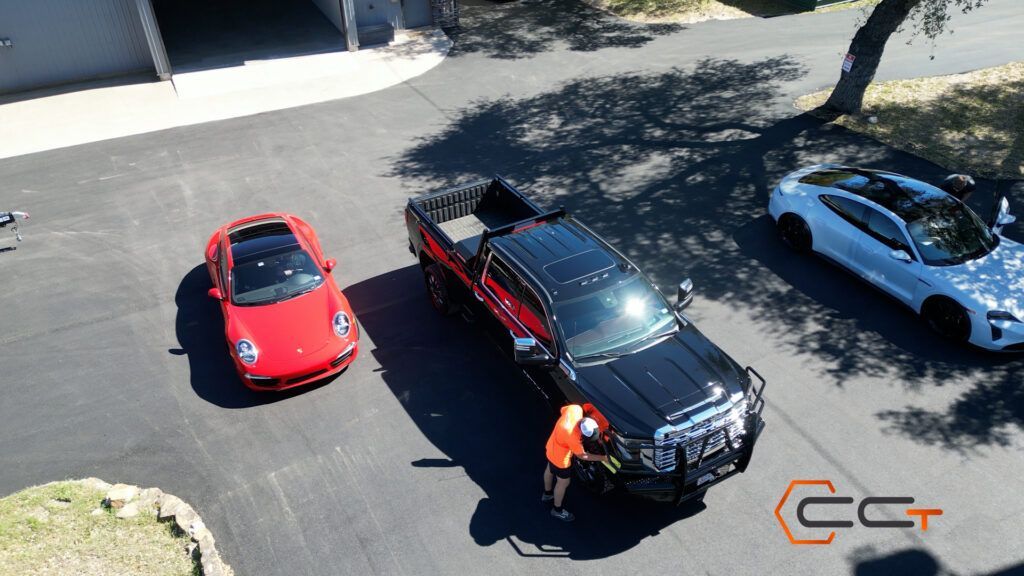
High-value and long-term cars often get both. Porsche, Corvette, and BMW owners say the pairing keeps paint looking newer longer. It can also support resale value by preserving the finish. Partial PPF plus ceramic is frequently called the practical best of both worlds.
Quick Decision Guide
- Highway miles or rock-prone roads: start with PPF on the front end.
- City driving, shine, and easy washing: choose ceramic coating.
- Maximum protection with easy upkeep: combine both, film first.
- Car you trade within a short time: careful washing and an occasional sealant can be enough.
Set Realistic Expectations
The coating is not scratch-proof. Swirl marks usually come from improper washing. Use pH-neutral soap and a gentle technique. Add a topper now and then to keep water beading strong.
Film needs proper washing too. After many years, it needs a planned removal. A skilled installer handles that cleanly. Both products reward good care.
How to Pick an Installer
Owners say installer skill matters more than brand hype. Careful work avoids knife marks, lifted edges, orange peel texture, and dirt lines. Look for a certified shop with strong local reviews.
Ask these questions:
- How do you prep and correct the paint?
- How do you finish edges and curved areas?
- Which film and coating brands do you use?
- What warranty comes with the film?
- What care steps should I follow after the job?
Clear answers point to real experience.
About CCT Auto Protection Studio
We are an Austin team, and we work like family. Each person brings a specific skill to your car.
Ross Laffoon is from Arkansas and has lived in Austin for about six years. He has spent 1.5 years with us. He handles detailing, paint correction, and ceramic coating. His most memorable build is an Acura NSX.
Alan is from Venezuela. He has been here one year. He does ceramic coating, PPF, vinyl, and tint. He keeps working to sharpen his craft.
Timothy Mullen is our Lead PPF Installer, with about 3.5 years here. A recent favorite was a 2025 Infiniti QX60 color change that went from blue to green to purple.
Aaron Christmas is our Customer Experience Specialist and Social Media Manager. He grew up in San Antonio. Every customer question gets his attention.
Get the Right Protection for Your Car
PPF stops impact. Ceramic coating delivers gloss and easy cleaning. Many Austin owners choose both. The best mix depends on your car, your roads, and your goals.
Call us at 512-501-4401 or request a quote on our site. We will look at your car, explain your options in plain words, and recommend a